
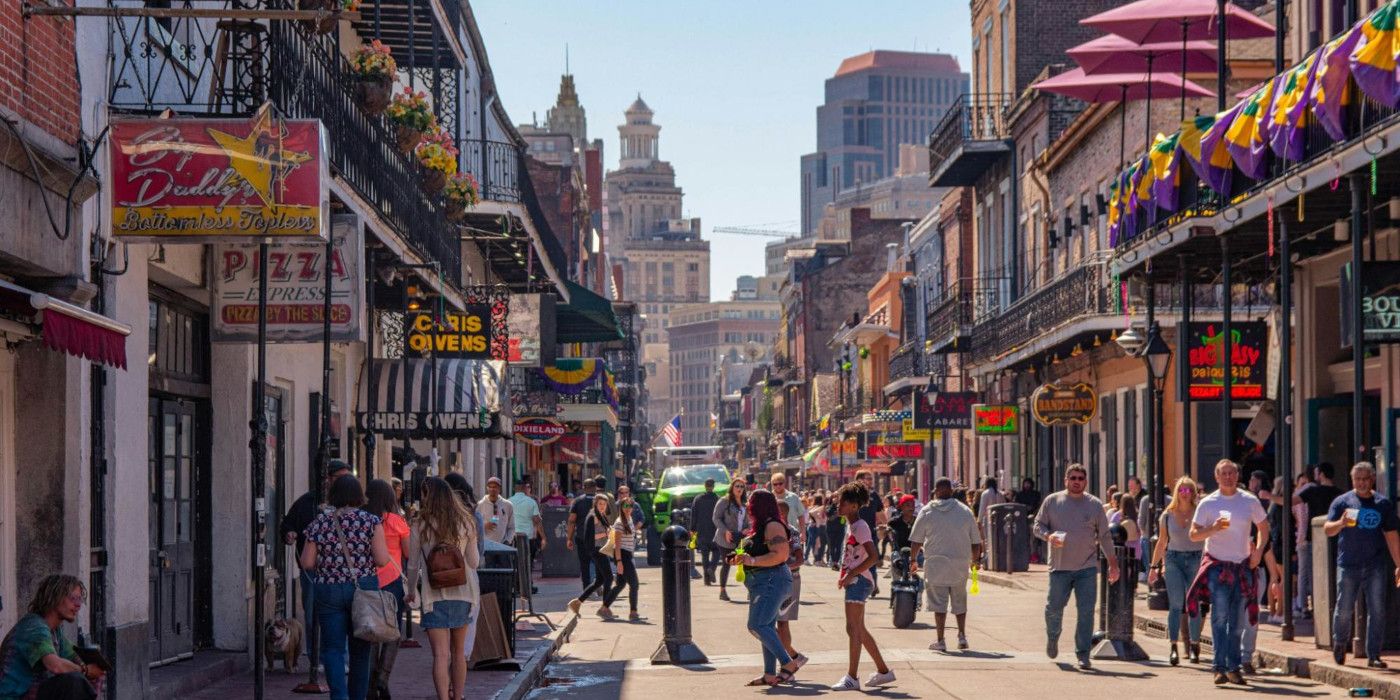
A Local’s Guide to the Best Spots in the French Quarter

Key Takeaways
- French Quarter (Vieux Carré) spans from Canal to Esplanade Streets between Mississippi River and North Rampart Street, featuring historic landmarks.
- Major attractions include Jackson Square with St. Louis Cathedral, Royal Street galleries and boutiques, and six-block French Market open-air shopping area.
- Bourbon Street nightlife features live music venues like Preservation Hall and Pat O’Brien’s, with family-friendly daytime visits recommended over adult-oriented evenings.
One of the most well-known neighborhoods in New Orleans, the French Quarter is the heart and soul of NOLA. With charming balconies, lively music, world-famous food, and rich history, it’s no wonder visitors keep coming back for more.
Whether you’re strolling down Royal Street admiring local art, grabbing a beignet at the world-famous Café du Monde, partying with a Hurricane on Bourbon, or soaking in the sounds of an impromptu jazz band playing on the corner, there’s always something special to experience.
But with so much to see and do, where do you start? That’s where this guide comes in! We’ll walk you through the best places to visit, eat, and explore, along with insider tips to help you make the most of your time in the Quarter.
What is the French Quarter?
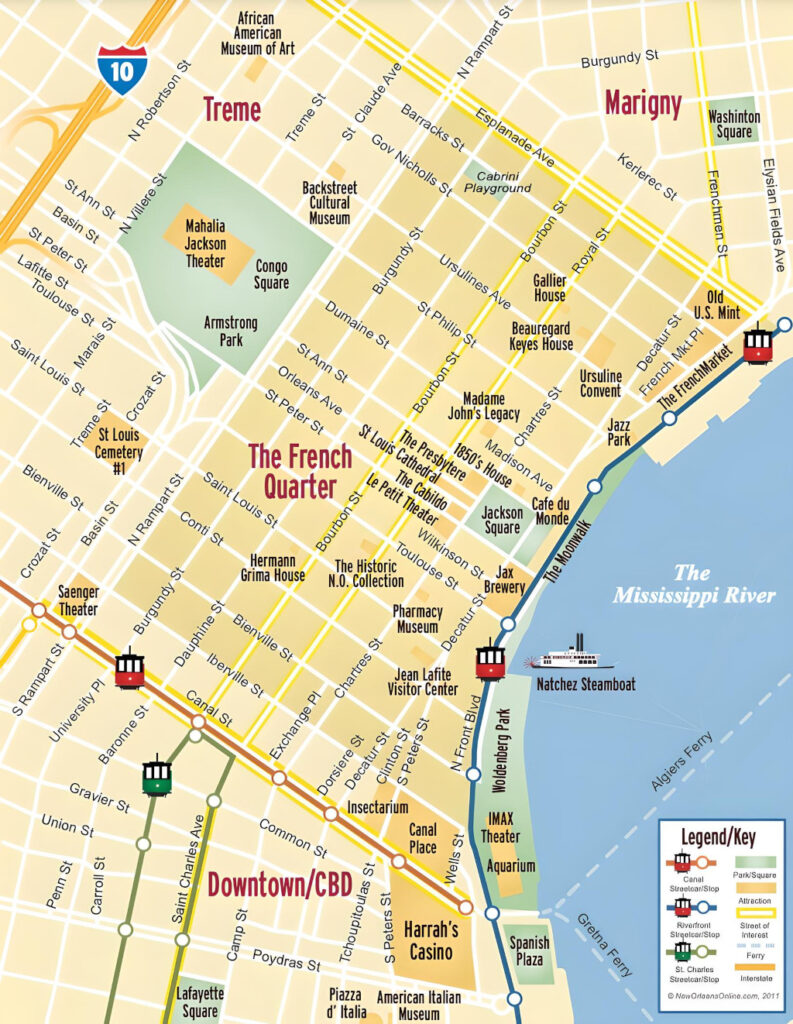
Also known as the Vieux Carré, the French Quarter is one of the most iconic neighborhoods in the world, and certainly one of the most charming in New Orleans. In between Canal and Esplanade Streets, the French Quarter begins along the banks of the Mississippi River and extends until North Rampart.
The French Quarter includes Bourbon Street, but so much more, including the French Market, St. Louis Cathedral, and Jackson Square. Many of NOLA’s most historic landmarks and popular attractions are located in this neighborhood.
Best Things to Do in the French Quarter
Jackson Square
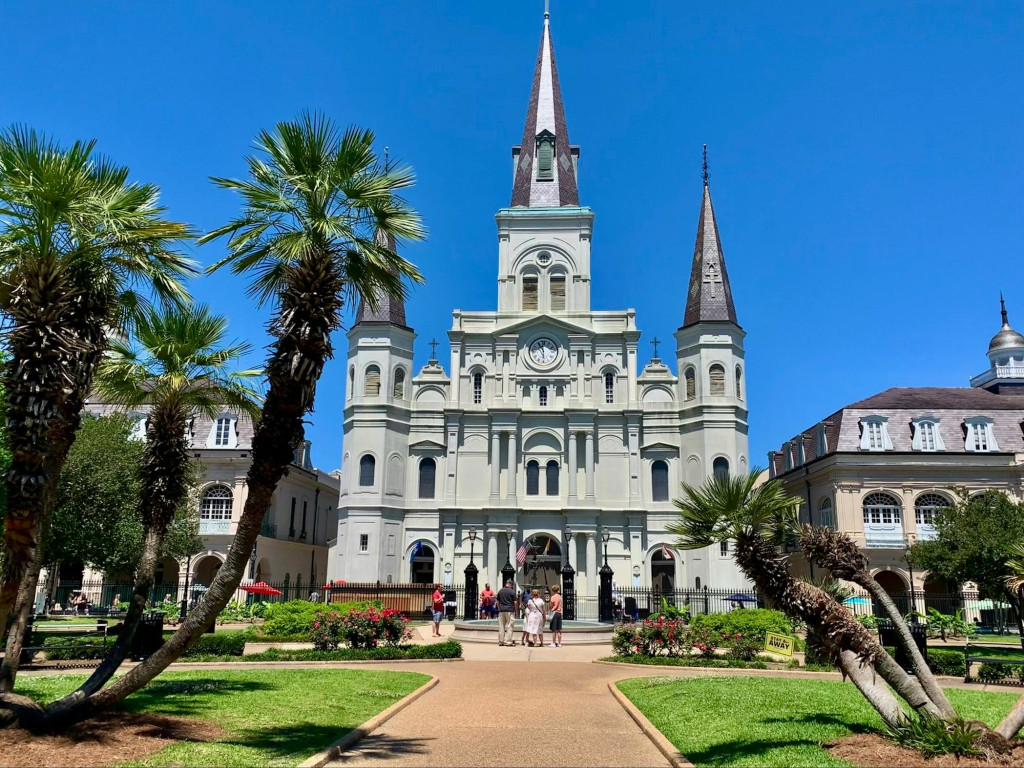
Bursting with historic charm, Jackson Square is one of the most recognizable locations in New Orleans. Grab a coffee and stroll through the square’s 2.5 acres, where you’ll find displays of local art, live music, and street performers, as well as the iconic St. Louis Cathedral, the oldest cathedral in North America.
Royal Street
Beginning at Canal Street and stretching all the way into the Marigny, Royal Street is the spot to go if you’re in search of art galleries, antique shops, and boutiques. You’ll also find cozy bars and delicious restaurants, making it a great place to spend several hours wandering and immersing yourself in the culture of NOLA.
The French Market
One of our favorite places to shop for New Orleans souvenirs is the French Market. Spanning six blocks in the French Quarter, it’s an open-air shopping area full of local flavor, food, art, and crafts. Within the shops of the Upper Pontalba, the shops of the Colonnade, the Craft Bazaar, the Farmers and Flea Markets, Oscar Dunn Park, and the Moon Walk, you’re bound to find something to suit your fancy.
Museums & Historic Tours
There are so many fantastic museums in New Orleans but some of our favorites in the French Quarter include The Cabildo and The Presbytère just off Jackson Square, The Historic New Orleans Collection, the New Orleans Jazz Museum, the New Orleans Voodoo Museum, and the New Orleans Pharmacy Museum, which is America’s first licensed apothecary.
Where to Eat & Drink in the French Quarter
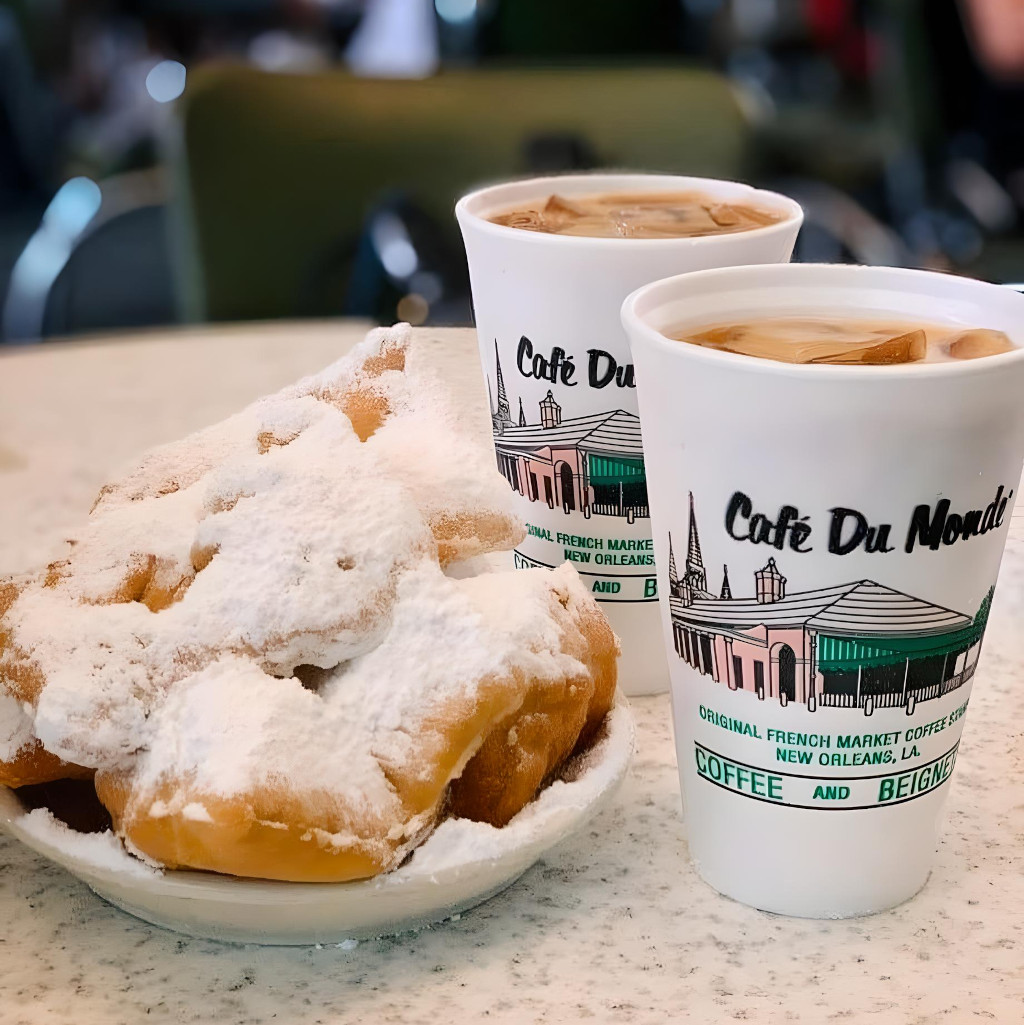
From beignets to fine dining, the French Quarter offers an endless array of dining options, some of which have been around for more than 100 years. Begin your day at Café du Monde in the French Market, a must for their beignets, or head to Brennan’s, home to the original Bananas Foster, and treat yourself to a world-class breakfast.
Later on, venture to Broussard’s, Galatoire’s, or Antoine’s for New Orleans fine dining. Or for a more casual vibe, try Coop’s Place or Napoleon House.
French Quarter Nightlife & Live Music
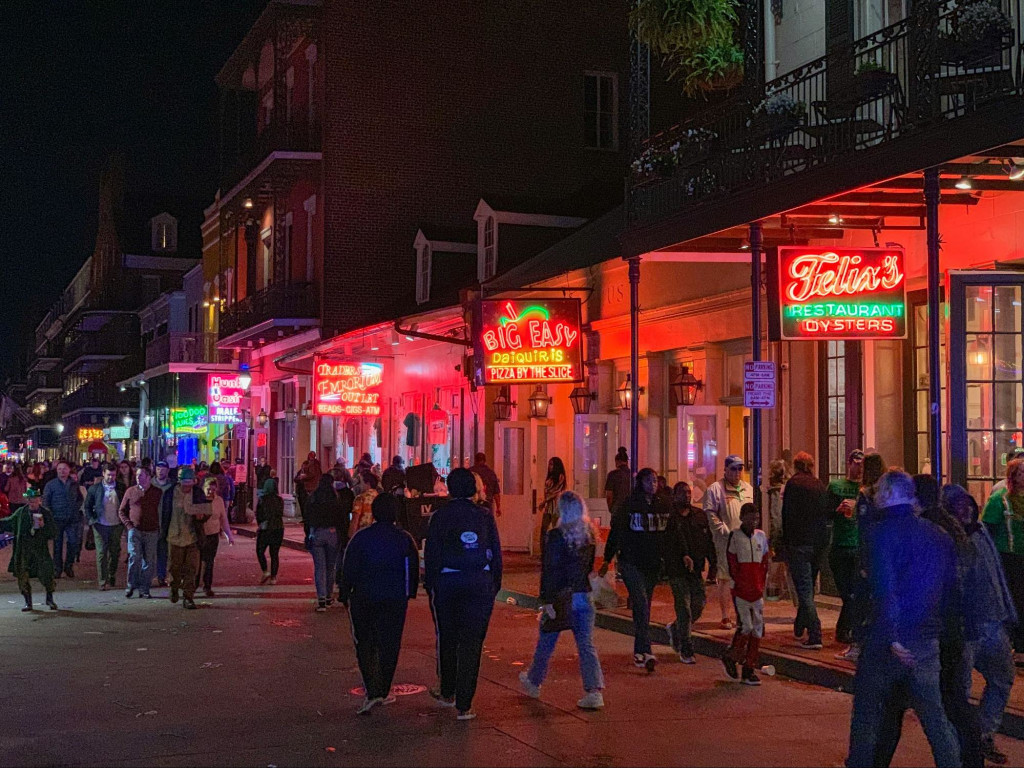
When the sun goes down, the French Quarter gets even more lively. Strolling along Bourbon Street at night, you can expect a more rowdy crowd and risque behavior (visit Bourbon Street with kids during the day, not at night).
Grab a hurricane from Pat O’Brien’s and cozy up at Lafitte’s Blacksmith Shop, one of the oldest bars in the U.S. Listen to jazz at Preservation Hall or The Spotted Cat. Then dance the night away at Razzoo Bar & Patio or Oz New Orleans, one of NOLA’s best gay bars, or try your hand at Karaoke at the world-famous Cat’s Meow. If the bar scene isn’t for you, there’s still plenty to do in the French Quarter at night, including nighttime carriage rides and ghost tours.
Getting Around the French Quarter
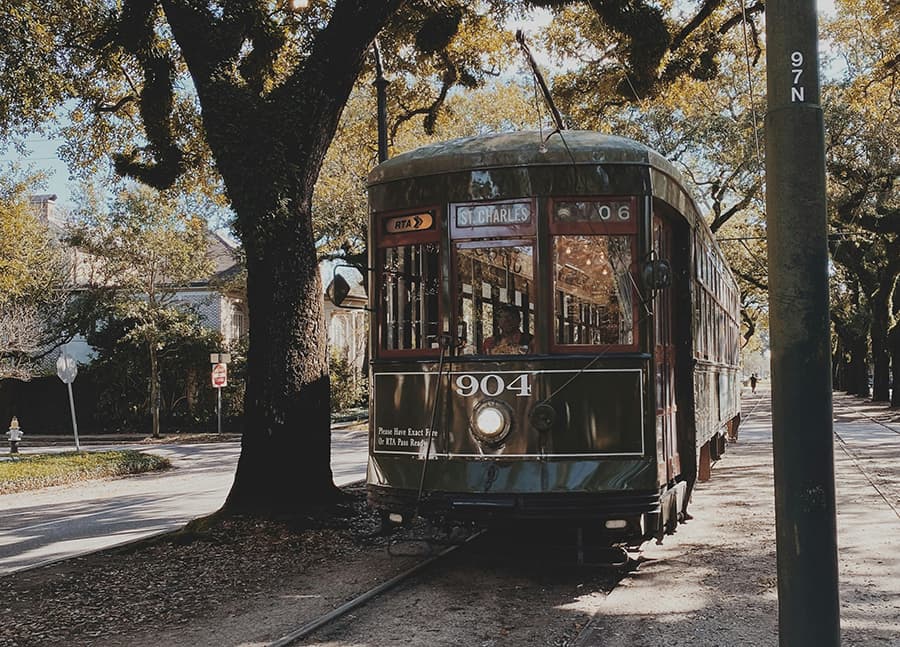
Aside from ride shares, biking, and good old-fashioned walking, our favorite way to get around the French Quarter is using the Streetcar. The Canal Street line travels along Canal from City Park and other points in the city to the river, then the Riverfront line will transport you across the French Quarter down to the French Market. Learn more about this iconic mode of transportation here.
Where to Stay in the French Quarter
Visiting the French Quarter in New Orleans is a quintessential NOLA experience – and no matter how many times you visit, there’s always something new to discover. So take your time, explore, and let the spirit of New Orleans guide you.
And if you’re looking for the perfect place to stay while you’re here, we’ve got you covered with our New Orleans vacation rentals – because the best way to experience the French Quarter is to live like a local. See you in NOLA!
Frequently Asked Questions
Planning your first trip to the Vieux Carré? These expert answers help you navigate the French Quarter like a local.
What is the best way to get around the French Quarter?
The most efficient way to explore the French Quarter is on foot, though the Riverfront Streetcar is a scenic alternative for reaching the French Market. While rideshares and bikes are available, the neighborhood’s dense, historic layout makes walking the most practical choice. For those arriving from other districts, the Canal Street line provides a direct connection to the edge of the Quarter.
Is Bourbon Street safe for families and children?
Bourbon Street is generally family-friendly during daylight hours, offering a colorful atmosphere for sightseeing and lunch. However, the environment shifts significantly after dark toward an adult-oriented nightlife scene with rowdy crowds. For a more consistent family-oriented experience, consider visiting Jackson Square or the French Market, which maintain a vibrant, kid-friendly energy throughout the entire day.
What are the “must-see” historic landmarks in the French Quarter?
The most iconic landmarks include Jackson Square, the St. Louis Cathedral, and the historic French Market. To dive deeper into the city’s unique heritage, experts recommend visiting the New Orleans Pharmacy Museum or the The Cabildo. These sites offer a more nuanced look at the medical, legal, and cultural history that shaped the original “Vieux Carré” into its modern form.
Can you walk around the French Quarter with alcohol?
Yes, New Orleans law allows you to carry open alcoholic beverages in the French Quarter provided they are in a plastic “go-cup.” Glass containers and cans are strictly prohibited on public streets to ensure safety and cleanliness. This “open container” culture is a signature part of the Bourbon Street experience, allowing visitors to move between venues without finishing their drinks inside.
What should I wear when exploring the French Quarter?
You should prioritize comfortable, closed-toed shoes and breathable clothing suitable for the local humidity. Closed-toed footwear is especially vital on Bourbon Street to protect against broken glass, spills, and heavy crowds. While many fine-dining institutions like Antoine’s or Galatoire’s may require a “business casual” dress code, the rest of the neighborhood typically welcomes relaxed, casual attire.
Have more questions?
Check out our FAQ page for more details.
Latest Articles
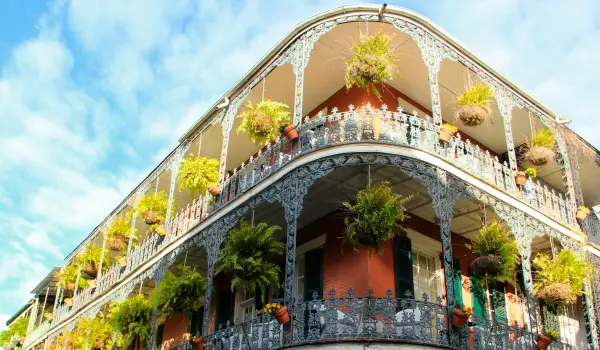
Fall Festivals in New Orleans: A Complete Guide
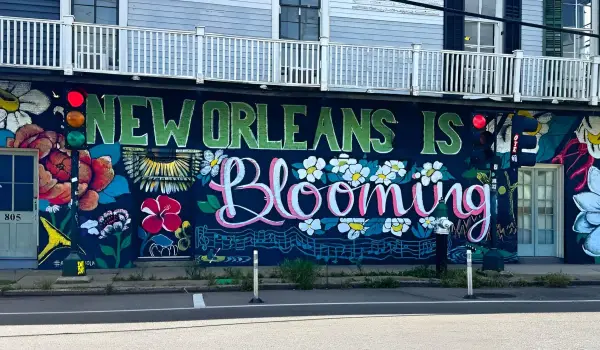
Bywater Mural Guide: Self-Guided Street Art & Blue Bikes NOLA

STRs vs. Hotels: Why Neighborhood Stays Feel More Authentic