

Key Takeaways
- Canal Street at 171 feet wide dates back to 1807 and runs from the Mississippi River through the Warehouse District to Mid-City.
- The Canal Street Streetcar Line is a 5.5-mile route running along the middle of Canal Street, connecting the riverfront to City Park for $1.25 per ride.
- Saenger Theatre opened in 1927 with Italian Baroque architecture hosts Broadway shows, local performances, and the yearly Nutcracker Ballet every December.
At a whopping 171 feet wide, the infamous Canal Street embodies all that we know and love about New Orleans. Steeped with historical significance, Canal Street remains a thriving epicenter in the heart of NOLA to this day.
Acting as a major thoroughfare through the city, Canal Street starts at the Mississippi River before passing through the Warehouse District and ending in Mid City. It serves as a gathering place for locals and tourists alike, attracting crowds from all over for shopping, dining, parading, and exploring what makes this city so special and unique.
Whether it’s your first time on Canal Street or your 100th, we’ve created a guide to get the most out of this dynamic street in the heart of New Orleans. However, to understand the importance of this street to the city as a whole, we must step back in time to explore its humble beginnings.
A Glance at the History of Canal Street
Canal Street dates all the way back to 1807, when French surveyor Joseph Antoine Vinache envisioned a canal linking the various lakes and rivers surrounding New Orleans. Unfortunately, the canal was never built; instead, the wide median where it was planned became what we know as Canal Street today.
Neutral Ground Destination
The street became a “neutral ground” between the long-time families of Creole New Orleans and the newly-arriving Americans after the Louisiana Purchase. While tension was high between these two groups, Canal Street acted as a dividing line and neutral destination to conduct business, trade, and shopping.
Shopping and Theatre Hub
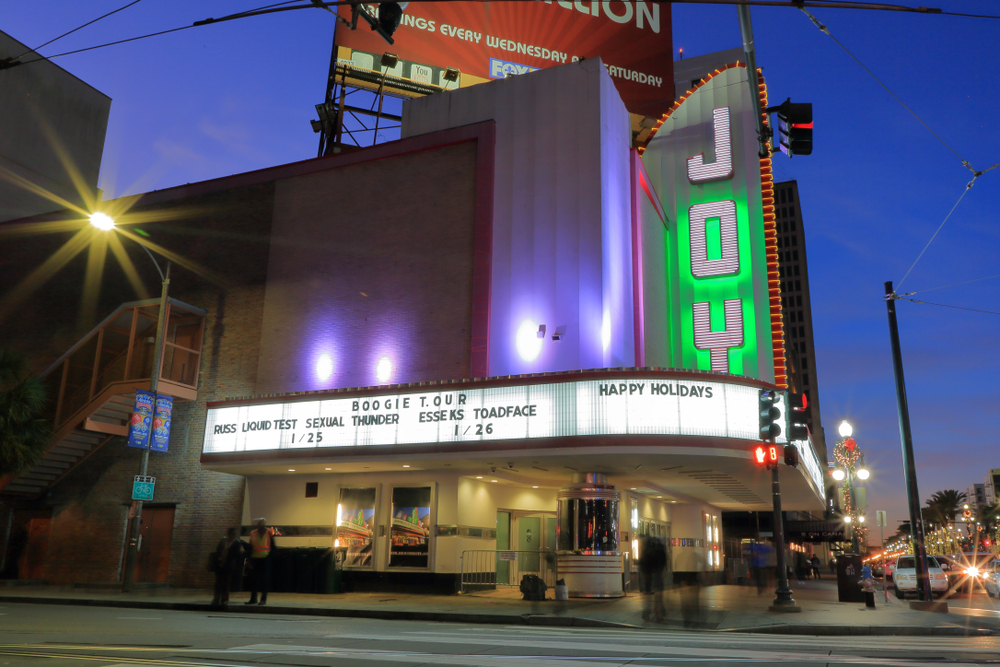
By the late 19th century, Canal Street became a thriving commercial district with department stores like Maison Blanche and D.H. Holmes lining the bustling street. At the turn of the century, New Orleans became one of the few destinations to display electric bulbs throughout its commercial district. Crowds flocked from all over the country to shop at the brightly-lit department stores along Canal Street.
Beyond shopping, Canal St. became known as a premiere theatre destination with Joy Theater, Saenger, and Orpheum openings. In addition, Vitascope Hall, the world’s first for-profit movie theater, opened its doors on Canal Street in 1896.
Mardi Gras Parade Route
Since the mid-1800s, Canal Street has transformed each year into a lively parade route during Mardi Gras carnival season. Canal Street is the homestretch of most parade routes, with crowds covering every square inch of the wide street to celebrate the end of a long Carnival day. With Canal Street running perpendicular to Bourbon Street, the whole square becomes a thriving spot for NOLA nightlife during Mardi Gras and beyond!
Modern Day Canal Street
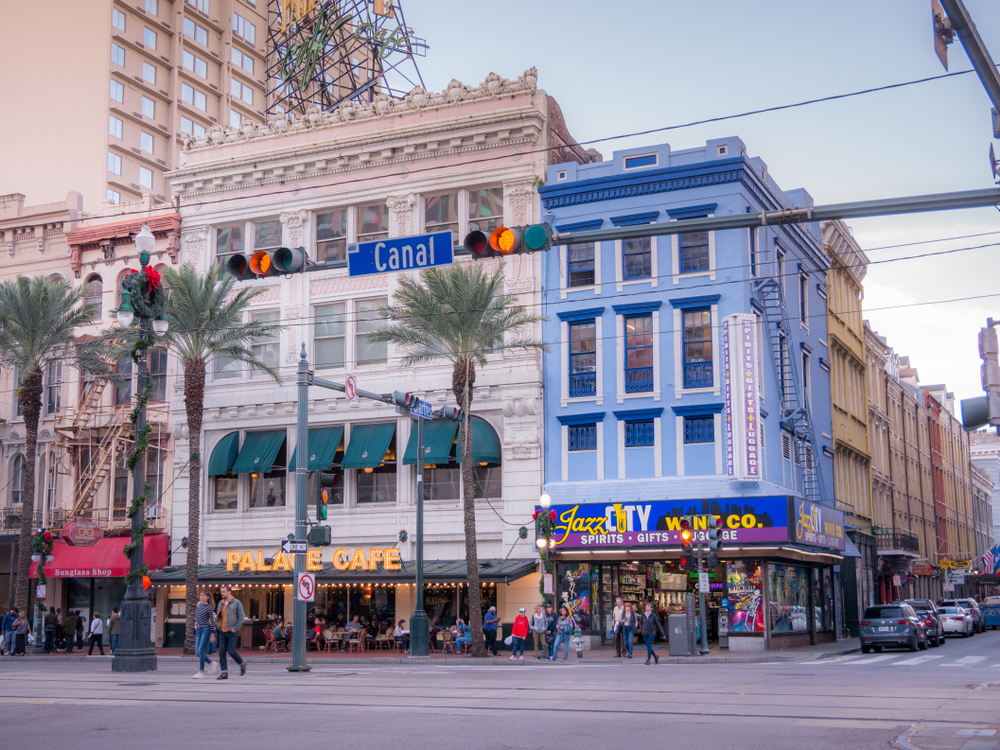
It’s no wonder that Canal Street has become synonymous with New Orleans culture. Visit Canal Street, and you’ll see how New Orleans combines its rich history with present-day amenities effortlessly. From the century-old theaters and luxury hotels, Canal Street honors the historical significance of this magnificent city, serving as a gathering place for all types of New Orleanians for generations.
Things to Do and See on Canal Street
Go on a Shopping Spree
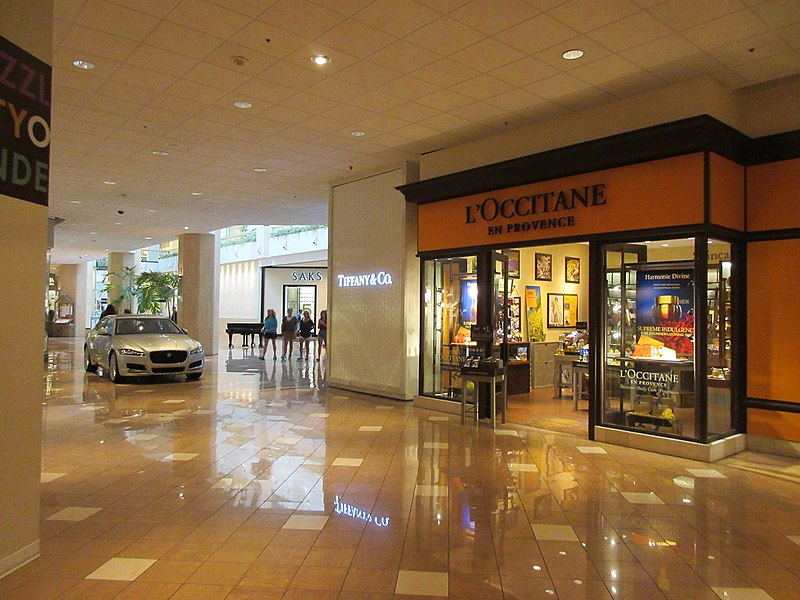
While most of the original department stores along Canal Street have since closed their doors, the famous street remains a thriving shopping destination to this day.
Right along the Mississippi River, you’ll find The Shops at Canal Place, a three-story luxury retail shopping center with stores like Saks Fifth Avenue, Brooks Brothers, Lululemon, Anthropologie, and more.
Visitors can explore nearby stores, such as H&M and Urban Outfitters, by walking along the Riverwalk. Riverwalk Outlets is the final destination along the riverfront, with over 75 outlet retailers ranging from clothing to home goods.
And if you’re looking for something a little more classic, Rubensteins, a men’s clothing store opened in 1924, is one of the only original stores still open along Canal Street.
Ride The Canal Street Streetcar
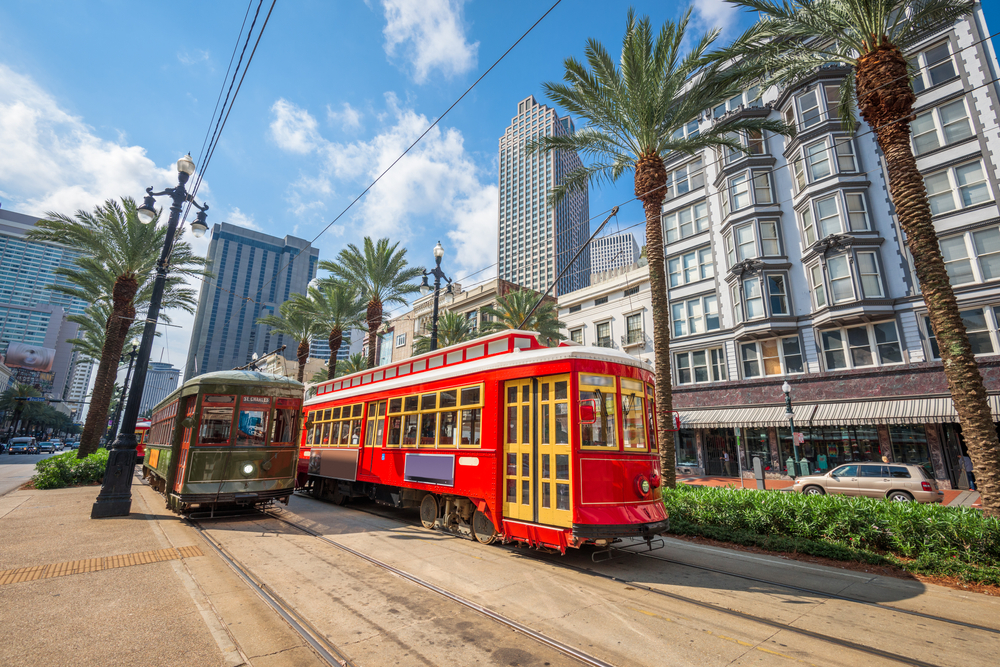
One of the best ways to explore the full length of Canal Street is on the infamous Canal Street Streetcar Line. The 5.5-mile route runs right along the middle of Canal Street, sporting the bright red streetcar that can’t be missed. The streetcar is used by locals and tourists every day to get from one side of Canal Street to the other.
Starting along the riverfront, the Canal Street line runs through the French Quarter and the Central Business District in Downtown New Orleans before ending in the Mid City neighborhood at City Park. The final destination lands visitors at The New Orleans Museum of Art.
Some of the note-worthy stops along the way include:
- Bars and Restaurants on Bourbon Street
- Antique shopping along Royal Street
- The Saenger Theatre on North Rampart Street
- Parkway Bakery & Tavern near Norman C. Francis Parkway (Famous for their po-boys!)
- The New Orleans Botanical Garden at City Park Avenue
Pro Tip: Visitors can purchase a one-way streetcar ticket for $1.25/each or buy a Jazzy Pass for $3/day.
See a Performance at Saenger Theatre
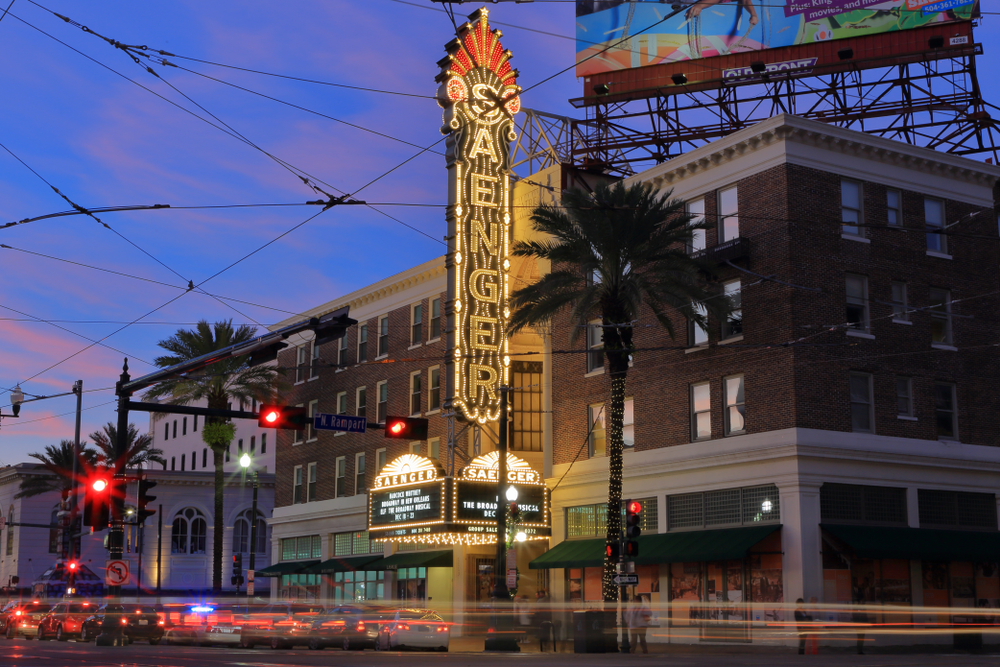
Opened in 1927, The Saenger Theatre is a staple in New Orleans. Designed to mimic Italian Baroque architecture, the theatre has a luxurious and celebratory feel as soon as you walk through its doors. Saenger Theatre has hosted Broadway shows, silent movies, local performances, and more throughout the past century.
Today, visitors can enjoy a variety of live performances, Broadway shows, and children’s entertainment. Perhaps most famous is its yearly Nutcracker Ballet, hosted every December during the holiday season.
Go Bar Hopping Down Canal Street
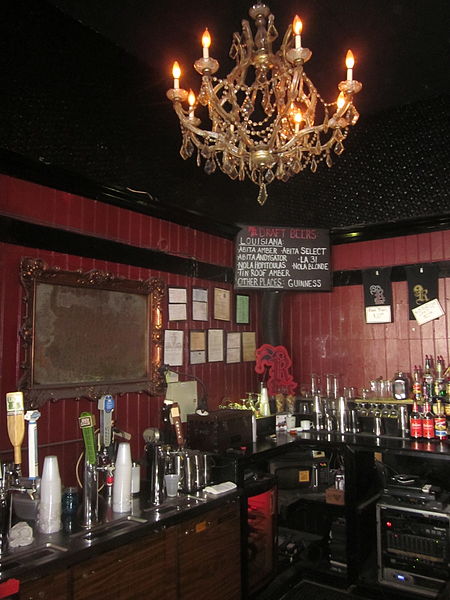
If you’re looking to bar hop, Canal Street is the place to go! Canal Street is a central location for some of the most well-known cocktail bars in the city. Whether you prefer an upscale lounge in a luxury hotel or a classic dive bar, there are spots all along Canal Street that you don’t want to miss.
Some of our top spots on Canal Street include:
- The Davenport Lounge in the Ritz-Carlton Hotel, French Quarter
- Cask, Mid-City
- Pelican Bar in Sheraton Hotel, French Quarter
- Hoodoo Cocktail Lounge in Harrah’s Casino, French Quarter
- Chandelier Bar in the Four Seasons Hotel, Central Business District
Pro Tip: Canal Street runs perpendicular to Bourbon Street, making it easy to wander to the most iconic street for nightlife in New Orleans while you’re bar hopping.
Planning Your Canal Street Visit
Transportation
We recommend utilizing a ride-sharing service to get to Canal Street, as parking can be tricky. Once there, you can enjoy all that the street offers by foot, bike, or streetcar.
If you plan to use a vehicle, we recommend parking in a public garage to avoid circling the block looking for parking!
The Best Time to Visit Canal Street
Canal Street has plenty of activities to enjoy any time of the day and year. However, if you are looking for nightlife options, we recommend visiting Canal Street in the evening or during Mardi Gras season, when the street hosts various parades.
During the day, Canal Street is the perfect spot to sight-see, shop, and dine in some of the most popular restaurants in New Orleans.
Is Canal Street Family-Friendly
Yes! While “family-friendly” might not automatically come to mind when you think of Downtown New Orleans, there are tons of activities for the whole family to enjoy along Canal Street.
Families can visit the Audubon Aquarium of the Americas, one of the top-rated aquariums in the country. Then, walk a few blocks, and you’ll end up in Jackson Square, a historic park along the Mississippi River known for its street artists, live entertainment, and easy access to the best dessert in the city, Cafe du Monde!
On the other end of Canal Street in Mid City, families can visit the Louisiana Children’s Museum for interactive exhibits that are fun and educational for all ages. After the museum, enjoy strolling City Park, where families can partake in putt-putt, disc golf, boating, and even Storyland, an enchanted playground in the middle of the park.
Enjoy Your Visit to Canal Street
Canal Street has evolved to offer visitors world-class entertainment options, including premiere shopping centers, innovative cocktail bars, and live performances at one of its many theaters. It’s a destination for all types of groups to enjoy, from families to a weekend friend’s trip. Whether you visit during the day or at night, you are sure to experience the wonder of this festive street when you stay at a Book NOLA vacation rental!
Featured Image Credit: Wangkun Jia
Frequently Asked Questions
Find quick answers to the most common questions about visiting, transit, and entertainment along Canal Street in New Orleans.
What is the “neutral ground” on Canal Street?
The neutral ground refers to the wide grassy or paved median in the center of Canal Street that separates the two directions of traffic. Historically, this space served as a buffer zone between the French colonists in the French Quarter and the American settlers in the Central Business District. Today, it is primarily used as the boarding area for the Canal Street Streetcar and a gathering spot for parade-goers.
Can you ride the streetcar from Canal Street to City Park?
Yes, the Canal Streetcar line offers a specific “City Park/Museum” branch that takes passengers directly to the New Orleans Museum of Art and the botanical gardens. When boarding, ensure the streetcar sign indicates “City Park” rather than “Cemeteries,” as the line forks at the end of the route. A standard fare or a “Jazzy Pass” via the LePass app is required for boarding.
Is Canal Street a good place to watch Mardi Gras parades?
Canal Street is considered the homestretch for most major Mardi Gras parades and is one of the most popular viewing areas in the city. Because the street is so wide, it accommodates massive crowds and offers a high-energy atmosphere as floats head toward their final stops. It is an ideal spot for those staying in downtown hotels who want easy access to the festivities without entering the denser Quarter.
What are the best things to do on Canal Street at night?
Nightlife on Canal Street centers around historic theaters and upscale cocktail lounges located within luxury hotels. You can catch a Broadway touring production at the Saenger Theatre or enjoy live music at the Davenport Lounge in the Ritz-Carlton. Unlike the rowdy atmosphere of Bourbon Street, Canal Street offers a more sophisticated evening experience with a focus on fine dining and craft spirits.
Is Canal Street within walking distance of the French Quarter?
Canal Street serves as the official border of the French Quarter, making it incredibly walkable to the city’s most famous landmarks. Crossing Canal Street from the Central Business District puts you directly into the historic district, with Bourbon Street and Royal Street starting just one block in. Its central location makes it a primary hub for visitors moving between the riverfront, the CBD, and the Vieux Carré.
Have more questions?
Check out our FAQ page for more details.
Latest Articles

Best New Orleans Vacation Rentals for Families

10 Best Airbnbs in New Orleans: Condos, Luxury Homes, and More

The Best Spring Festivals in New Orleans: A Complete Guide
