

Image Credit to Southern Spaces
Key Takeaways
- Hurricane Katrina flooded 80% of New Orleans on August 29, 2005, displacing hundreds of thousands and causing over 1,800 deaths.
- New Orleans tourism recovered from 3.7 million visitors in 2006 to nearly 19 million annually by 2024, driving economic revitalization.
- Federal investment in a $14.5 billion hurricane protection system and community-led rebuilding transformed New Orleans into a top-ranked destination city.
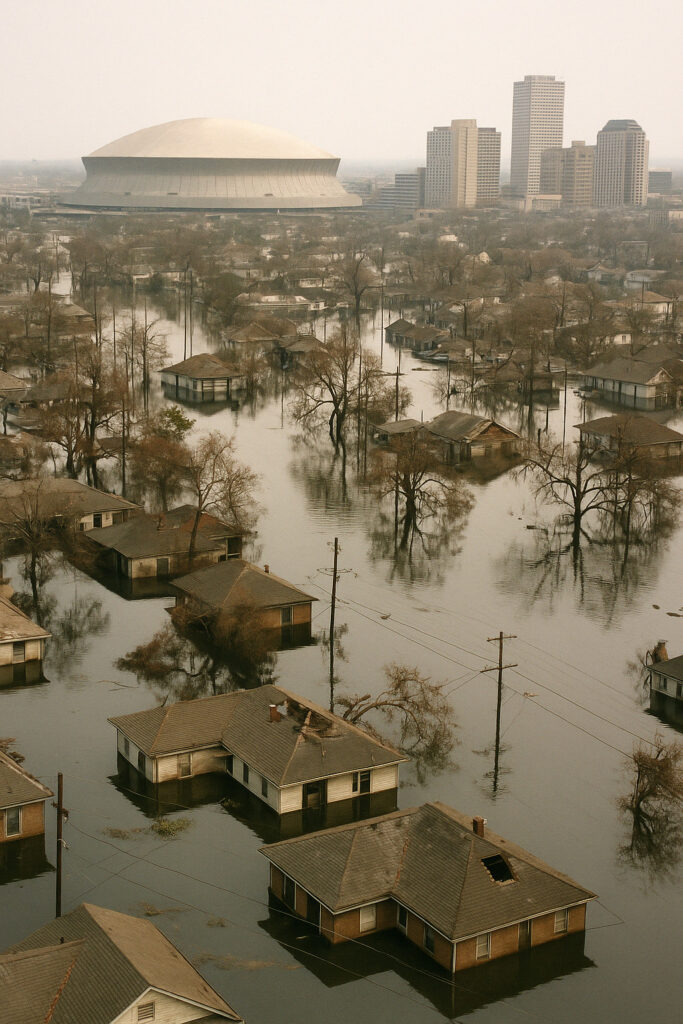
On August 29, 2005, Hurricane Katrina made landfall on the Gulf Coast just southeast of New Orleans. Despite local officials issuing their first-ever mandatory evacuation, tens of thousands of people were either unable or unwilling to leave the city. Tens of thousands flocked to the Superdome for shelter while countless others hunkered down in their homes. Although the eye of the hurricane passed east of the city, sparing it from the most devastating winds, the levees throughout the city were unable to withstand the immense storm surge that Katrina pushed into Lake Ponchartrain. From the Lower Ninth Ward to Lakeview, canal levee walls, installed by the Army Corps of Engineers decades earlier, failed. The floodwaters raced into the city, leaving entire neighborhoods submerged, hundreds of thousands of residents displaced, and the city’s very survival in question.
In the months that followed, thousands were faced with the realization they might never be able to call New Orleans home again, as pundits questioned whether it made sense to rebuild a city that was below sea level. The city whose economy was built on tourism saw visitor numbers fall to an all-time low of 3.7 million in 2006, many of them in New Orleans to aid recovery efforts. But twenty years later, New Orleans welcomes nearly 19 million visitors annually, a milestone it first reached in 2019 and repeated in 2024.
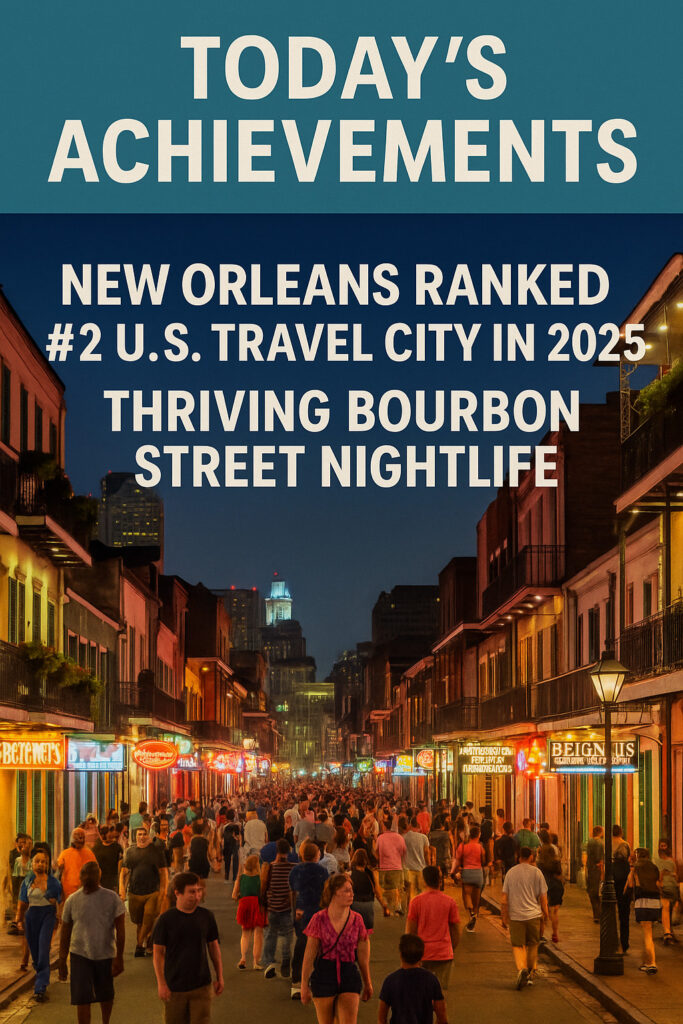
Today, New Orleans is celebrated as one of America’s top destinations, ranked the #2 Favorite City in the U.S. in 2025 by Travel + Leisure and recently crowned the Best Food City in the World by Time Out. On this 20th anniversary of Hurricane Katrina, we reflect on the tragedy, honor the lives lost, and celebrate the resilience and triumph that carried New Orleans forward.
The Storm & Its Lessons
Hurricane Katrina was one of the most catastrophic natural disasters in U.S. history. When the levees failed, nearly 80% of New Orleans flooded, with some neighborhoods under more than 10 feet of water. More than 1,800 lives were lost, and hundreds of thousands were displaced across the country.
The storm also crippled the economy. New Orleans lost $2 billion in convention business between 2005–2006, and its cultural economy was left in shambles. But out of this destruction came hard lessons: the need for stronger flood protection systems, smarter emergency planning, and — above all — recognition of the city’s cultural and human capital as its greatest strength.
Community Resilience
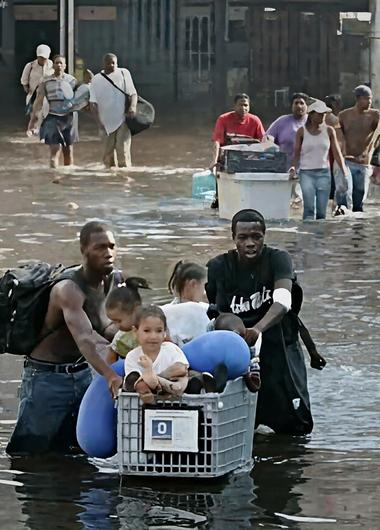
When systems failed, the people of New Orleans stepped in. Neighbors became first responders, churches became shelters, and culture bearers, musicians, chefs, and artists kept the heartbeat of the city alive.
Organizations like the American Library Association and Maritz Travel were among the first to bring meetings and conventions back to the city. But they didn’t just book hotels; they also rebuilt parks, libraries, and schools. Their generosity sparked the rise of voluntourism, a movement that still brings visitors who want to give back as part of their trip.
Grassroots recovery, powered by residents, culture bearers, small businesses, and voluntourism, became the foundation of New Orleans’ revival.
Rebuilding the City
Over the last 20 years, New Orleans has experienced one of the greatest renaissance stories in American history. The federal government invested in a $14.5 billion U.S. Army Corps of Engineers hurricane risk reduction system, one of the most advanced in the world. During Category 4 Hurricane Ida in 2021, that system was tested and held strong, instilling confidence in residents, investors, and visitors alike.
Tourism and hospitality, which employ more than 80,000 people in the metro area, roared back. Visitor spending nearly doubled from $4.9 billion in 2004 to $10.4 billion in 2024, providing critical tax revenues to fund schools, infrastructure, and public safety across the metro area.
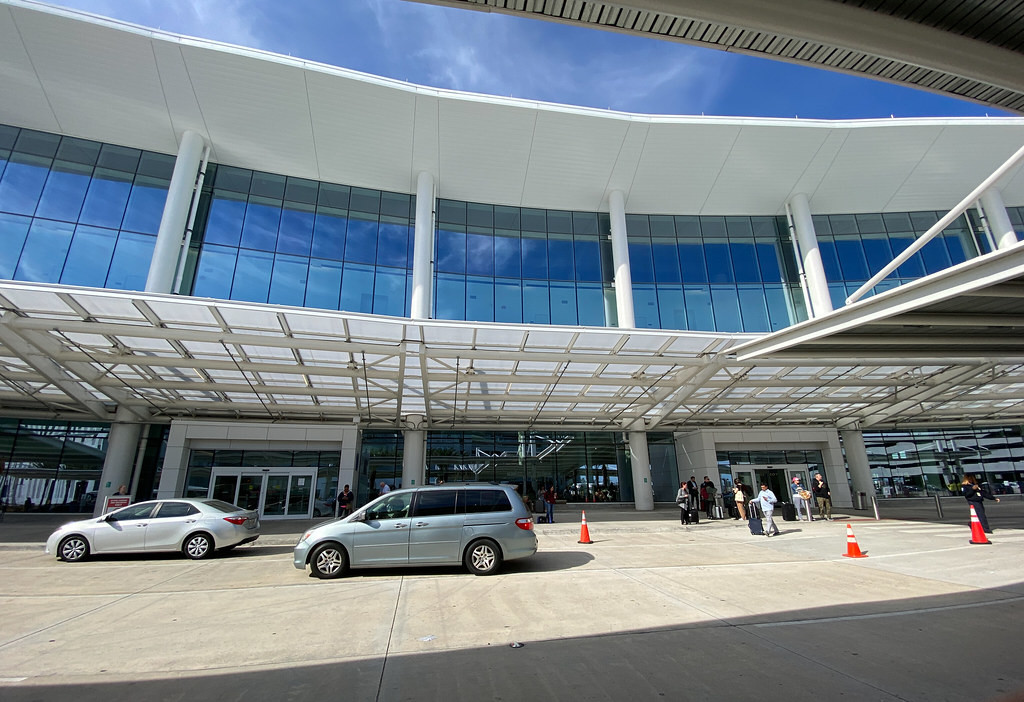
Neighborhoods once gutted by floodwaters, like Mid-City, the Lower Ninth Ward, and the Bywater, have become thriving hubs of restaurants, art, and community life. Infrastructure investments, from a $1.01 billion airport terminal to ongoing riverfront redevelopment projects, have made New Orleans stronger and more connected than ever.
Today’s Achievements
The numbers tell a story of triumph:
- #2 Favorite U.S. City (2025): Travel + Leisure readers ranked New Orleans second only to Charleston.
- Best Food City in the World (2025): Time Out crowned New Orleans the global leader in food culture.
- Most Walkable City in the World (2024): Recognized by AllClear.
- MICHELIN Hotels (2025): Five New Orleans properties received One Key MICHELIN honors.
- Crime Trends: Violent crime is down 48% year-over-year, with the lowest murder rate in 50 years. (Source: NOPD/City of New Orleans)
- Convention Strength: Meetings and conventions now generate over $2 billion annually in direct spending.
Built to Host: In the 12 years between Super Bowl XLVII in 2013 and LIX in 2025, New Orleans saw the event’s economic impact skyrocket from $480 million in 2013 to $1.25 billion in 2025.
Culture That Endures
Through it all, New Orleans’ culture never drowned. The sound of brass bands, the flavor of gumbo, and the joy of Mardi Gras parades carried the city through its darkest days.
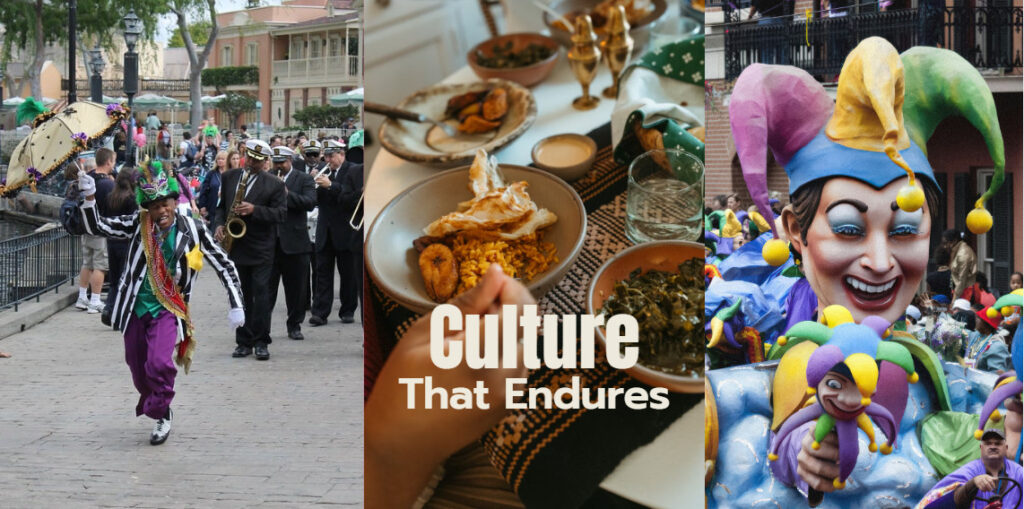
The restaurant industry’s comeback became a powerful symbol of resilience. Chefs like Susan Spicer rallied the culinary community, and today the city is a global food capital. Recent honors include Jewel of the South winning Outstanding Bar (2024), Dakar NOLA being named Best New Restaurant (2024), and Dooky Chase’s Restaurant receiving the 2025 James Beard America’s Classics Award.
Culture bearers, from Mardi Gras Indians to jazz musicians, ensure that second lines, festivals, and culinary traditions continue to define New Orleans. And of course, the New Orleans Saints’ unforgettable Super Bowl victory in 2010 became a citywide symbol of hope and rebirth.
Commemorating Katrina
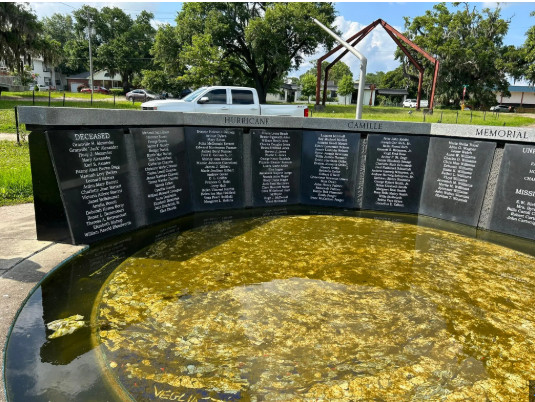
This August, the K20 Commemoration will honor 20 years since Hurricane Katrina. Events across the city will highlight survival stories, resilience, and the path forward.
Visitors can also pay tribute by visiting the Katrina Memorial, exploring the Presbytère Museum’s Katrina & Beyond exhibit, or engaging in service opportunities through voluntourism programs.
Closing & Call to Action
Twenty years after Katrina, New Orleans has proven that tragedy does not define it – resilience does. From record-breaking visitor numbers to global culinary recognition, this city’s story is one of triumph, grit, and unshakable identity.
As you reflect on this anniversary, we invite you to not only experience New Orleans authentically with us at Book NOLA, but also to give back to the people who make the city what it is.
That’s why we’ve partnered with FEELS, a local initiative that makes it easy for visitors to give back to New Orleans. Through FEELS, you can directly support nonprofits that provide housing for families, rescue and care for foster pups, empower hospitality workers, inspire young students, create green jobs, and protect our coast. Each donation helps sustain the people and programs that make this city extraordinary.
Here are just a few of the incredible organizations you can support through FEELS:
- 🏠 New Orleans Area Habitat for Humanity — Homes for Everyday Heroes! Building affordable housing for local families.
- 🍹 Turning Tables — Hospitality Career Training! Providing mentorship and opportunities in New Orleans’ restaurant and bar industry.
- 🌿 Grounds Krewe — Keep NOLA Clean & Green! Promoting sustainable practices and reducing waste during festivals and parades.
- 🤝 SBP — Disaster Relief for Families! Helping families rebuild and recover after natural disasters.
Learn more about our partnership here.
👉 Stay with locals. Celebrate resilience. Give back to the heart of New Orleans.
Frequently Asked Questions
Find answers to common questions about New Orleans’ transformation and the lasting impact of Hurricane Katrina over two decades.
How has the New Orleans flood protection system changed since Hurricane Katrina?
The federal government invested $14.5 billion into a state-of-the-art hurricane risk reduction system managed by the U.S. Army Corps of Engineers. This advanced network of levees and floodwalls was notably tested during Hurricane Ida in 2021, where it held firm and successfully protected the city. This infrastructure has provided vital security for residents, businesses, and the tourism industry alike.
What is the current state of tourism in New Orleans compared to 2005?
New Orleans has seen a massive economic rebound, with visitor numbers growing from a low of 3.7 million in 2006 to nearly 19 million annually today. Visitor spending has more than doubled, reaching $10.4 billion in 2024. This growth fuels the local economy by providing essential tax revenue for schools, public safety, and infrastructure improvements throughout the metro area.
How can visitors participate in New Orleans’ ongoing recovery efforts?
Travelers can engage in voluntourism by supporting local initiatives like the FEELS partnership, which assists nonprofits focused on affordable housing and coastal protection. Visiting commemorative sites like the Katrina Memorial or the “Katrina & Beyond” exhibit at the Presbytère Museum also helps sustain the city’s cultural history. These programs allow visitors to give back directly to the community.
Which New Orleans neighborhoods have seen the most significant revitalization?
Neighborhoods like Mid-City, the Lower Ninth Ward, and the Bywater have transformed into vibrant hubs for art, dining, and local culture since being flooded in 2005. Significant investments in infrastructure, such as the $1.01 billion airport terminal and riverfront redevelopment, have further connected these historic districts. Today, these areas are celebrated for their resilience and thriving small business scenes.
What major awards and safety milestones has New Orleans achieved recently?
New Orleans was recently ranked the #2 Favorite U.S. City by Travel + Leisure and named the Best Food City in the World by Time Out. Beyond culture, the city has seen a 48% decrease in violent crime year-over-year, marking its lowest murder rate in five decades. These accolades highlight a successful transition from post-disaster recovery to global leadership in hospitality and safety.
Have more questions?
Check out our FAQ page for more details.
Latest Articles

The Best Spring Festivals in New Orleans: A Complete Guide

5 Best Vacation Rentals with a Private Pool in New Orleans

Jazz Fest 2026 in New Orleans: Your Guide to an Unforgettable Experience
