

Key Takeaways
- New Orleans offers year-round appeal with distinct seasonal advantages including budget-friendly summer months and festival-packed spring seasons.
- Spring (February-May) features peak festival season including Mardi Gras and Jazz Fest with optimal weather and highest accommodation prices.
- Fall (October-November) provides ideal weather conditions, reduced crowds compared to spring, and lower rates than peak festival season.
If you’ve ever wondered when the best time to visit New Orleans is, the truth is — there isn’t just one. Every season in NOLA brings its own energy, from the big, glittering chaos of Mardi Gras to the quiet, slow-paced charm of summer afternoons with an iced coffee (or hurricane) in hand.
Spring and fall bring perfect weather and back-to-back festivals, while summer is all about slower crowds and unbeatable rates. Even winter, with its twinkling lights and mild temperatures, has its own magic. In other words, there’s never a bad time to visit New Orleans — it just depends on what kind of trip you want to have.
Whether you’re planning a romantic getaway, a rowdy bachelorette weekend, or a family vacation, knowing what to expect each month can help you make the most of your stay — and maybe even save a little on your vacation rental.
The Quick Answer: Best Time to Visit New Orleans
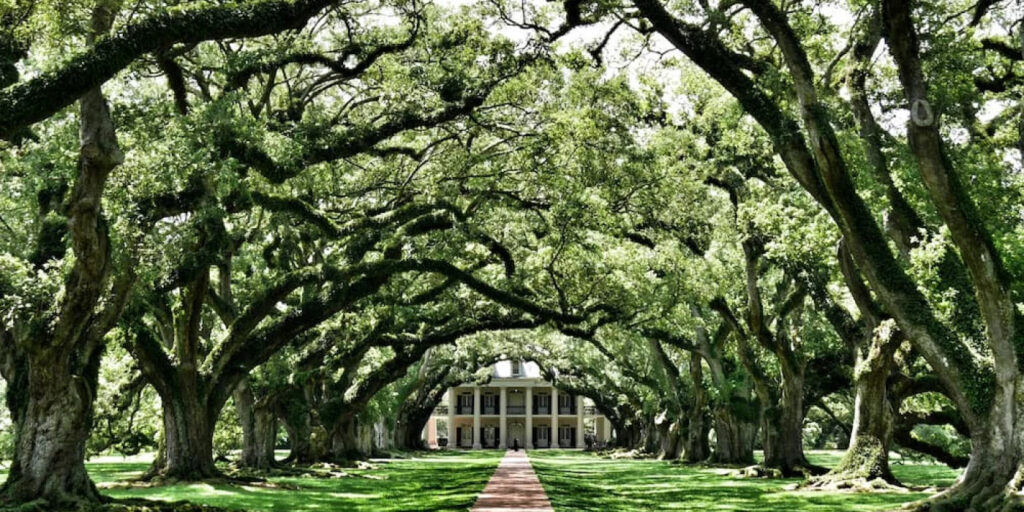
The best time of year to visit New Orleans depends on what’s most important to you.
- If you’re a budget traveler, January and June-September are typically the cheapest times to visit New Orleans.
- For great New Orleans weather, we love the fall. Along with spring, it’s the most comfortable, with milder temps. October is an incredible time to enjoy fall weather in New Orleans and several smaller festivals.
- The best time to visit for iconic New Orleans festivals is February to May. Beginning with Mardi Gras in February, the city is buzzing with lots of other festivals like Jazz Fest. In spring, you can expect peak demand and the highest prices – but also great weather and loads of fun.
When to Visit New Orleans: Seasonal Overview
Here’s a seasonal overview of the best times to visit New Orleans.
| Season | Weather & Vibe | Festivals & Events | Why Visit |
| Winter (December – January) | Mild and comfortable, usually in the 60s with less humidity | Holiday lights, New Year’s celebrations, and the start of Carnival season | Ideal for travelers looking for fewer crowds, lower rates, and cozy getaways. January is a great time to snag deals on vacation rentals! |
| Spring (February – May) | Warm, sunny, and lively — highs in the 70s and 80s | Mardi Gras, French Quarter Fest, Jazz Fest, and countless smaller events | Peak season in NOLA for a reason — perfect weather, endless celebrations, and the city at its most vibrant. |
| Summer (June – September) | Hot and humid, with frequent afternoon showers | Essence Festival and plenty of indoor fun to beat the heat | Budget-friendly season with lower rates, fewer tourists, and plenty of space to cool off by your private pool or AC-filled vacation home. |
| Fall (October – November) | Gorgeous, crisp weather with temps in the 70s | Treme Fall Fest, Crescent City Blues & BBQ Fest, and Halloween celebrations | One of the best times to visit — fewer crowds than spring, great festivals, and picture-perfect weather for exploring. |
When to Visit New Orleans: Month by Month
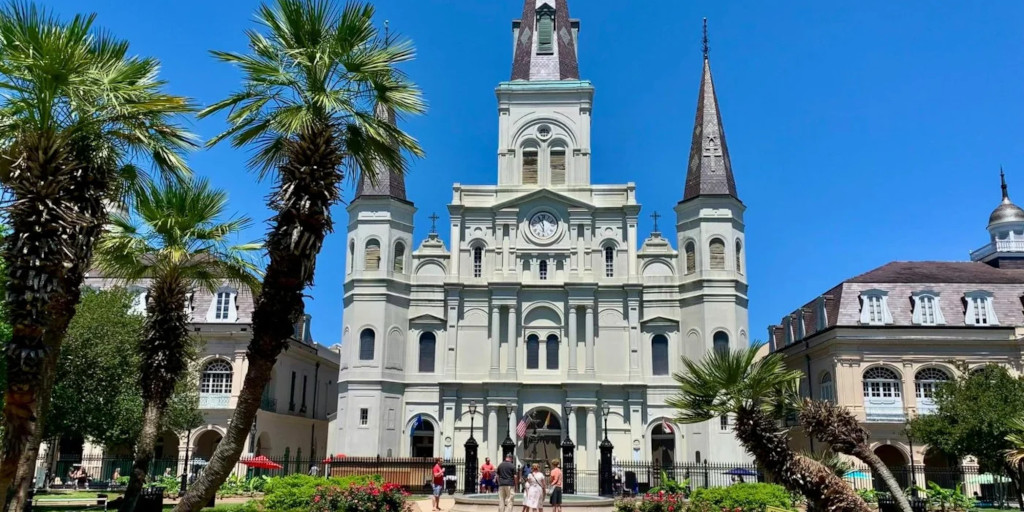
New Orleans is a year-round choose-your-own-adventure, with something for everyone, no matter when you visit. Which is the best month to visit New Orleans? That depends on you!
Here’s a brief snapshot of what you can expect each month in New Orleans, so you can see which one matches the vibe of your ideal trip.
January – Quiet & Budget-Friendly
Cool temps (mid-50s to 60s) and smaller crowds make January one of the best times to visit New Orleans on a budget. You’ll catch the start of Carnival season and a few early parades before the Mardi Gras madness begins. It’s perfect for a peaceful visit exploring the city’s best restaurants and museums without the crowds.
February – Mardi Gras Magic
Mardi Gras takes over NOLA! February is when New Orleans really shines. Expect big crowds, lively parades, and higher prices — but also one of the most unforgettable celebrations in the world.
March – Festival Season Begins
Expect warm weather (70s and sunny), blooming magnolias, and St. Patrick’s Day parades. In March, energy levels begin to rise as festival season starts. French Quarter balconies are full, patios are buzzing, and it’s the perfect time for sightseeing.
April – Prime Festival Season
April is peak festival season with French Quarter Fest and the first weekend of Jazz Fest bringing world-class music and big crowds. You’ll love the beautiful weather, perfect for enjoying live music in NOLA. Stay close to the action and book your vacation rentals early!
May – Warm Weather & Fun Events
The second weekend of Jazz Fest keeps the city rocking into May. By mid-month, crowds thin a bit, but the weather stays beautiful — perfect for exploring the Garden District, taking swamp tours, or enjoying your rental’s outdoor space before summer heat sets in.
June – Quiet & Affordable
Summer begins with hot and humid days (80s and up), but it’s also one of the best times to find deals on vacation rentals. Quiet and affordable, June is perfect for budget travelers who don’t mind the heat — plus, restaurants and attractions are less crowded.
July – Hot & Steamy
Expect steamy temps and frequent afternoon showers, but also local celebrations like Essence Fest and 4th of July fireworks over the Mississippi. Grab a cold daiquiri, relax by your private pool, and chill in the A/C after adventure-filled days exploring NOLA.
August – Lower Rates
August is one of the quietest (and cheapest) months to visit. It’s hot and humid, but still full of fun. Enjoy indoor attractions in the A/C and a slower pace that’s delightfully local.
September – End-of-Summer Savings
Still warm but less humid, September is a great time to visit New Orleans. Crowds are light and prices stay low, making it a great “shoulder season” before fall festivals.
October – Fall Festivals
October is a local favorite — comfortable temps, spooky vibes (ghost tours galore), and lots of smaller festivals like Crescent City Blues & BBQ, Oktoberfest, and the Treme Fall Fest. Peak rates return (but it’s totally worth it), so book early.
November – Holiday Charm
Pleasant temps (60s and 70s) and fewer crowds make November a sweet spot between festival season and the holidays. It’s a great time for food lovers — plus Thanksgiving in New Orleans is something special.
December – Festive Fun
Festive lights, holiday parades, and mild weather – December is a great time to visit NOLA. From the iconic Celebration in the Oaks to caroling in Jackson Square, bonfires on the levee, and Reveillon dinners, Christmas in New Orleans is unforgettable.
Choosing the Right Time for Your Trip: FAQ
When is the cheapest time to visit New Orleans?
For the best deals, visit in the summer. In June through September, it’s a bit hotter and more humid, making it a less popular time to travel, so you’ll score some cheaper accommodations. Another option is to visit in January, before Carnival season is in full swing.
When is the best weather in New Orleans?
For great weather without chaos, visit New Orleans in October–December. You’ll still have fun events, paired with ideal weather for walking around the city. Spring is another great time to visit for mild weather. But it’s also prime time for festivals, so expect big crowds and higher rates.
When are the best times to visit New Orleans for festivals?
Mardi Gras kicks off the spring festival season in early February. The biggest festivals (like Jazz Fest and French Quarter Fest in New Orleans happen from then until May.
When is Mardi Gras?
Carnival runs from January 6 until Fat Tuesday. There are many fun events and parades during Carnival, but the big party is saved for Mardi Gras on Fat Tuesday. The date of Fat Tuesday changes every year because it’s tied to Easter. (Mardi Gras 2026 is February 17.) Make sure to book months in advance if you’re visiting for Mardi Gras!
When is Jazz Fest?
Jazz Fest happens over two weekends each year – the last weekend in April and the first weekend in May – bringing an incredible week of music, culture, and celebration to New Orleans. (Jazz Fest 2026 is April 23 – May 3.) Be sure to book your vacation rental early if you’re visiting during Jazz Fest!
When is Hurricane season in New Orleans?
Hurricane season in New Orleans is June 1 to November 30. If you’re visiting during hurricane season, consider travel insurance, just in case. But as long as we don’t have a big storm on our hands, don’t let a little rain stop you. There’s still plenty to do in New Orleans in the rain!
Tips for Planning Your Trip to New Orleans

A few things to keep in mind when planning your trip:
- Book early for festival season (many homes sell out months in advance).
- Pack layers — the weather can change quickly, especially in spring and fall. (Check out our complete packing guide here.)
- Consider trip insurance during hurricane season (June–November).
- Stay in a centrally located neighborhood for easy access to events and attractions. Some of our favorite neighborhoods for guests to explore include:
- French Quarter – Lively, well-populated, and well-patrolled area, brimming with bars, restaurants, nightclubs, historic sites, and tourist attractions.
- Garden District – Beautiful architecture and upscale homes, with boutiques, antique shops, restaurants, and cafes lining the streets.
- Marigny – Artsy, vibrant neighborhood with Cajun bistros, Bohemian bars, jazz clubs, and the popular nighttime Frenchmen Art Market.
- Bywater – Boho neighborhood with mom-and-pop cafes, live music, unique artwork, and laidback nightlife.
- Book direct on our website for the best price and exclusive perks like free early check-in and late checkout. (Learn more about the benefits of booking direct here.)
Choose Your Ideal Time to Visit New Orleans
At the end of the day, only you can decide when to visit New Orleans. What’s most important to you and your group? Do you want the best weather? The best deals? An incredible festival experience?
No matter when you visit, our local Book NOLA team is here to help you make the most out of your stay.
Check availability for your dates
Frequently Asked Questions
Get quick answers to the most common questions about timing your trip, finding deals, and navigating New Orleans’ seasons.
When is the cheapest time to fly to or stay in New Orleans?
June through September is typically the most budget-friendly window for visiting New Orleans due to the high summer heat and humidity. During these months, demand for vacation rentals and hotels drops significantly, leading to lower rates and better availability. January is another excellent option for cost-conscious travelers, offering a brief window of deep discounts between the New Year’s celebrations and the peak madness of the Mardi Gras season.
What are the best months for good weather in New Orleans?
October and November are widely considered to have the best weather, offering crisp, pleasant temperatures in the 70s and lower humidity. This fall window allows for comfortable exploration of the Garden District and outdoor dining without the intense heat of summer or the spring festival crowds. March and April also provide beautiful spring conditions, though these months are significantly busier and more expensive due to major local events.
Is it safe to visit New Orleans during hurricane season?
Yes, it is safe to visit during hurricane season (June 1 – November 30), provided you remain weather-aware and prepared. While peak activity typically occurs in August and September, most tropical systems result in nothing more than afternoon rain showers. For peace of mind, travelers visiting during this period should consider travel insurance and monitor local forecasts to ensure their plans remain flexible in the event of a rare major storm.
When does the Mardi Gras season actually start and end?
The Carnival season officially begins every year on January 6th (Twelfth Night) and concludes at midnight on Fat Tuesday. While the most famous and elaborate parades occur in the two weeks leading up to the finale, the city is filled with smaller celebrations and king cake throughout the entire period. Because the date of Mardi Gras changes annually based on the lunar calendar, always check the current year’s schedule before booking.
What is the best time for music lovers to visit NOLA?
The period between late April and early May is the premier time for music enthusiasts due to the New Orleans Jazz & Heritage Festival. Known locally as Jazz Fest, this event spans two weekends and attracts world-class performers across various genres. If you prefer a more intimate experience, French Quarter Festival in mid-April offers a localized celebration of music and food with slightly smaller crowds than its larger counterparts.
What should I expect when visiting New Orleans in the winter?
Winter in New Orleans is characterized by mild temperatures (usually in the 60s) and a festive, cozy atmosphere perfect for holiday travelers. December features unique traditions like Celebration in the Oaks and Reveillon dinners, while January offers a quieter, more local vibe before the crowds arrive for Carnival. It is a fantastic time for foodies who want to secure restaurant reservations at top-tier establishments without the typical seasonal wait times.
Have more questions?
Check out our FAQ page for more details.
Latest Articles

Best New Orleans Vacation Rentals for Families

10 Best Airbnbs in New Orleans: Condos, Luxury Homes, and More

The Best Spring Festivals in New Orleans: A Complete Guide
